

The man running Korea's K-pop policy had to explain why his own company holds the trademark
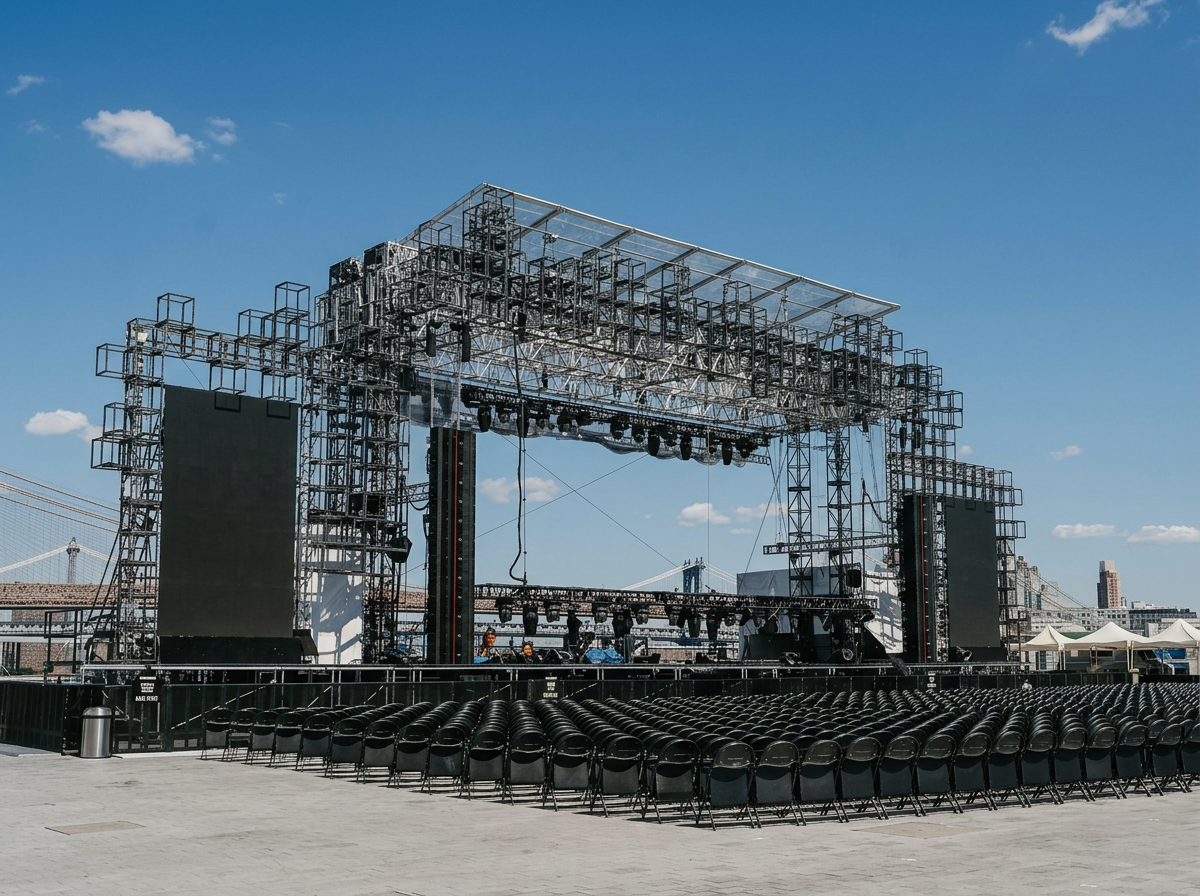
The co-chair of South Korea's presidential popular culture exchange committee told a National Assembly audit on Wednesday that the four agencies behind the state-backed Fanomenon festival are giving up money by taking part in it.
Each company could make two to three times more by staging its own concerts, J.Y. Park said, and the four are accepting hundreds of billions of won in forgone short-term revenue. He said he had personally persuaded HYBE, SM Entertainment and YG Entertainment to join.
Park appeared as a witness after MP Bae Hyun-jin of the People Power Party questioned how the four largest agencies came to lead a publicly supported project from the outset, and raised the handling of the festival's overseas trademark.
J.Y. Park told an audit that the four agencies behind the state-backed Fanomenon festival will earn less by taking part, not more.
JYP Entertainment, where Park is chief creative officer, filed the Fanomenon trademark abroad before agreeing to transfer it to the dedicated company, a company in which JYP is itself one of four shareholders. Park said the process had regrettable aspects and that the pre-filing was intended to stop squatters registering the name first.
The committee's interest is in where the public money goes. Bae said in September, announcing the summons, that she would examine whether a body sitting directly under the president had been used to channel state-funded cooperation into the business of particular large entertainment companies.
The venture is already before the competition regulator. HYBE, JYP, SM and YG filed a business combination report with the Fair Trade Commission in April, a requirement because HYBE's assets exceed ₩5tn and SM is an affiliate of the Kakao group. The festival is targeted at Korea in 2027.
JYP said at the time that the four were discussing a public-private cooperation model with the presidential committee to promote the global expansion of the Korean culture industry, and that no specific business details or operating methods had been settled.
Park's defence is an economic claim, and it is checkable. The four companies' second-quarter filings show HYBE took ₩647.7bn from concerts alone, against combined companywide revenue of ₩660.4bn at SM, JYP and YG. A festival that pools those four rosters in one place is not obviously worth less to them than touring separately, but it is worth very different amounts to each.
Park also told the committee that K-pop had reached a limit, and that the industry needed to combine forces to reach a next stage. That framing matters, because it is the justification for four competitors planning concerts together under a presidential committee rather than against each other in the market.
The hearing covered more than the festival. The culture committee took evidence the same day on the Tving data breach, on web novel contracts at Ridi, and on cinema industry consolidation at CJ CGV.
The trademark remains where it started. JYP filed it, JYP has agreed to hand it to the joint company, and JYP is one of the four shareholders of the joint company it will hand it to.
SOURCES (1) (2) (3) (4) (5) (6) (7) (8) (9)RELATED ARTICLES
LATEST

MORE IN:
Human Made's biggest store opened in Harajuku on Saturday with a mobile ordering system designed to keep customers from queuing outside.