

Busan's competition is now Asian cinema's only direct route to the Oscars
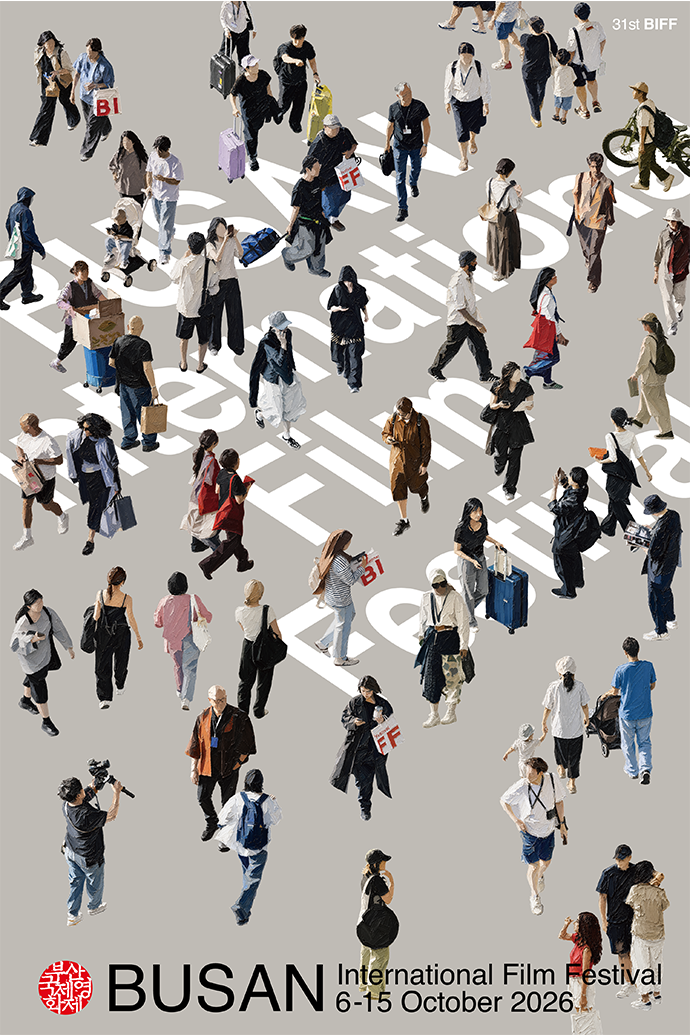
The Busan International Film Festival unveiled its full 2026 programme on Tuesday, the first edition at which the winner of its competition can enter the Academy Awards without going through a national submission.
The festival will screen 246 officially selected films from 59 countries when it runs from 6 to 15 October, organisers said, including 95 world premieres and a second-year competition of 14 titles, 12 of them world premieres and four of them debut features.
The Academy of Motion Picture Arts and Sciences approved rules for the 99th Academy Awards in the spring that added a second route into the international feature category. A film that wins one of six designated festival prizes may now be submitted alongside the single entry each country puts forward.
The festival unveiled 246 films on Tuesday. The competition’s winner no longer needs its country's permission to reach the Academy.
Busan is the only Asian festival on that list, which otherwise runs Cannes, Venice, Berlin, Sundance and Toronto. The Busan Award for best film sits beside the Palme d'Or and the Golden Lion, and its winner reaches the Academy independently of any selection committee.
That matters most where the committee is the obstacle. Two of the 14 competition films are Chinese world premieres, Chen Jiwen's Descendants and Gu You's The First Taste of Loneliness, in a category where the mainland's official entry is chosen through a state body.
The rest of the field is spread thinly across the region. Japan has two titles in Hirose Nanako's Between Two Lovers and Kato Takuya's The Day After Sunday, Indonesia two in Eddie Cahyono's Ibuku and Yosep Anggi Noen's The Sea Speaks His Name, and Korea two, including Lim Hayeon's debut Beach Fictions. Majid Majidi's Midday Meal and Botir Abdurakhmanov's Hilol complete it.
The wider selection is the largest since 2019, though the growth is narrow. Last year's edition carried 241 films from 64 countries and 90 world premieres, so 2026 adds five films and five premieres while drawing from five fewer countries.
Busan is also handling more traffic. The festival opens on 6 October, a day earlier than in previous years, and will run five screenings a day rather than four across its busiest stretch. It was classified an A-list festival in March under a revamped accreditation process by the International Federation of Film Producers Associations.
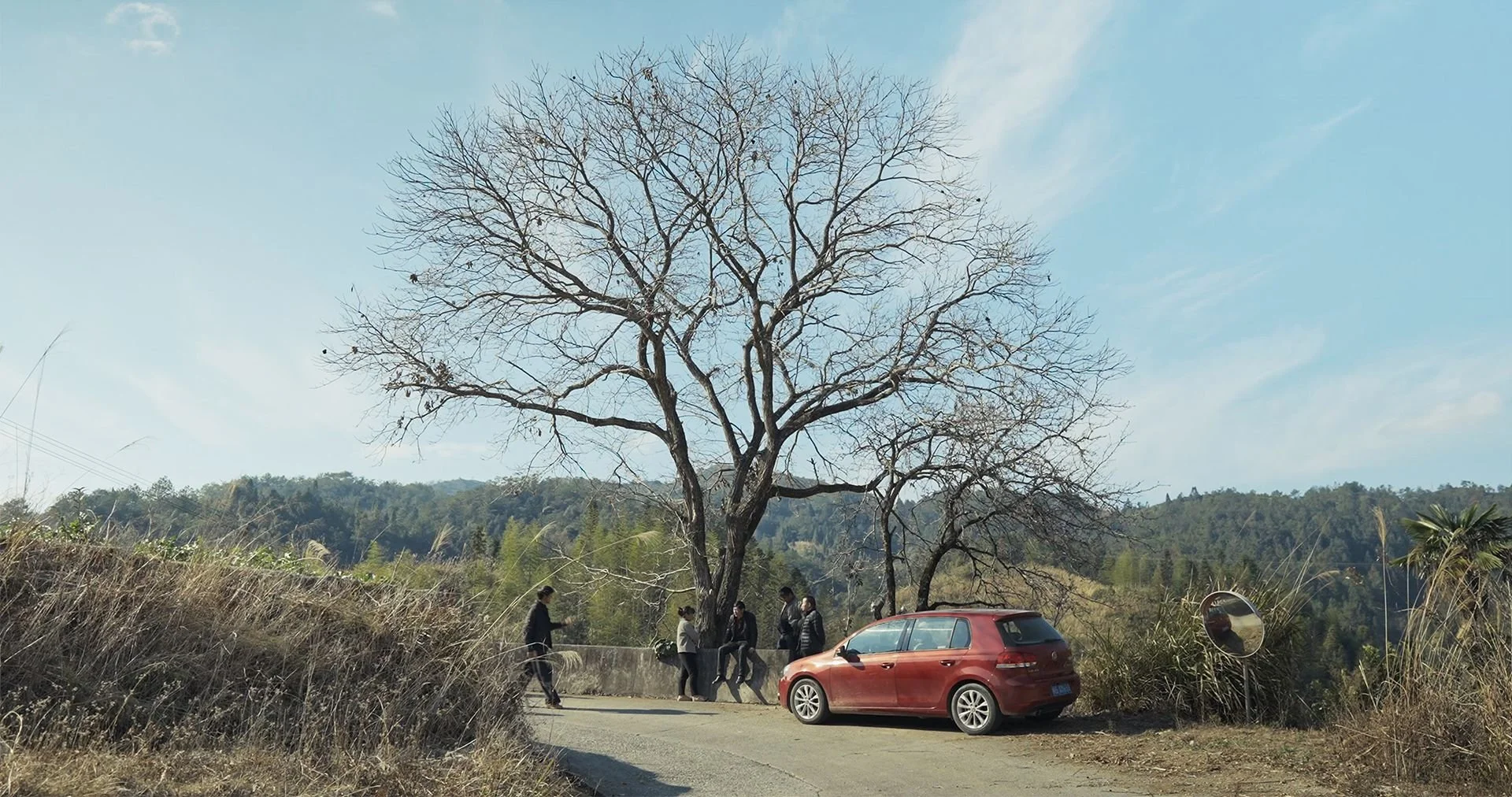
IMAGE: BUSAN INTERNATIONAL FILM FESTIVAL, Descendats by CHEN JIWEN
Eligibility is not a campaign, and this is where the change stops. A Busan winner still needs a qualifying theatrical run, a distributor and someone willing to spend on awards season, none of which the new route supplies, and none of which a national submission ever supplied either.
Korea's own entry this year demonstrates the point from the other direction. The Korean Film Council selected Lee Chang-dong's Possible Love on 25 August, and its 15-member committee cited, among the film's merits, a planned Netflix campaign extending as far as best picture.
Michelle Yeoh will be named Asian Filmmaker of the Year in Busan, Ann Hui will receive the Camellia Award and Kim Dong-ho, who founded the festival in 1996, takes the Korean Cinema Award. Isabelle Huppert, Maggie Gyllenhaal, Kore-eda Hirokazu, Fan Bingbing and Lav Diaz are on the guest list.
Under the same Academy rule change, the international feature nomination will be credited to the film rather than to the country that sent it. The director's name will appear on the statuette alongside the title. No country's will.
SOURCES (1) (2) (3) (4)RELATED ARTICLES
LATEST

MORE IN:
The Busan International Film Festival unveiled its full 2026 programme on Tuesday, the first edition at which the winner of its competition can enter the Academy Awards without going through a national submission.