

China put its biggest drama business behind a licence
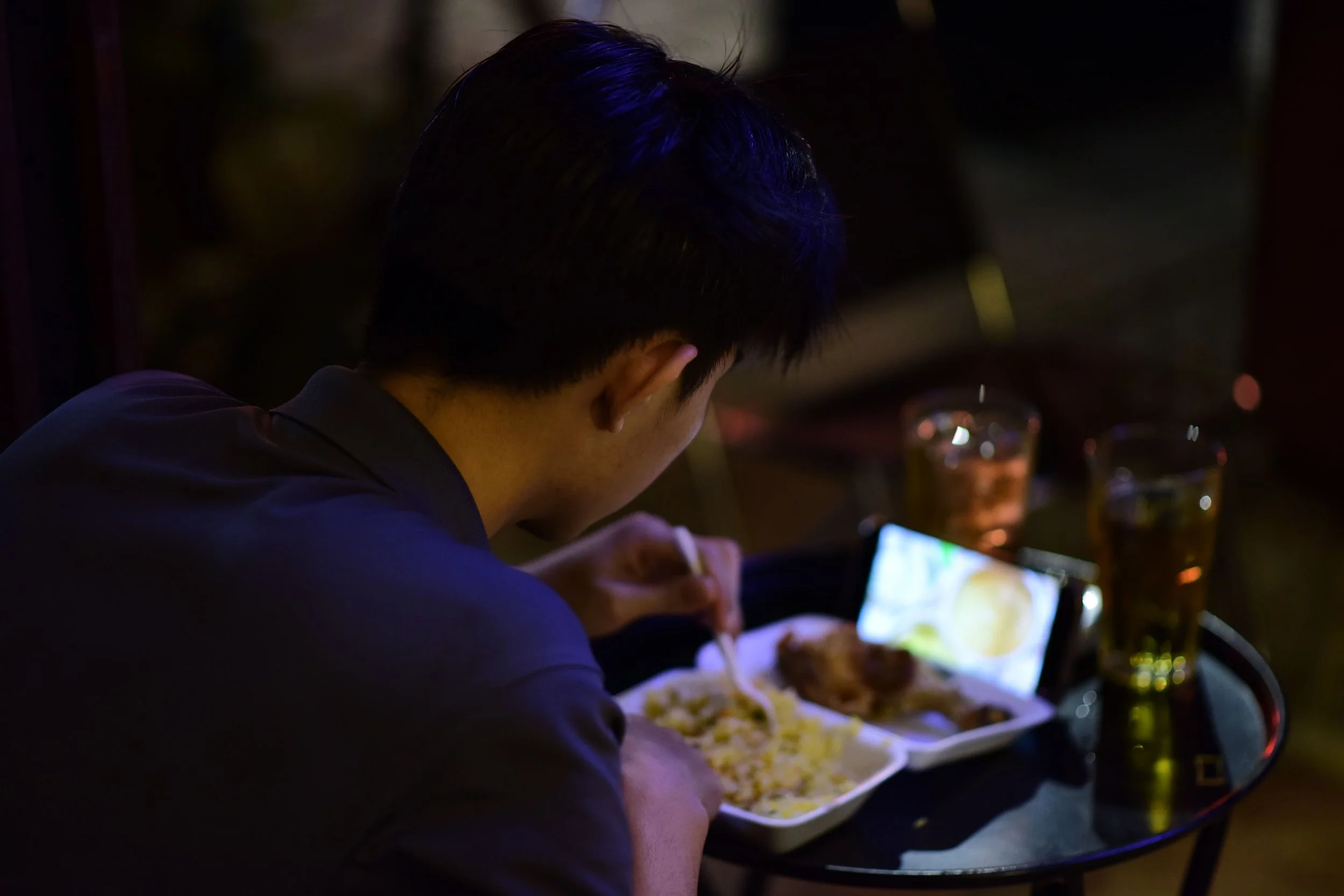
China's first dedicated micro-drama regulation took effect on Tuesday, requiring every series with episodes under twenty minutes to carry a licence, an approval document or a platform-issued number before it can be shown.
The National Radio and Television Administration's own last published figure put the market at 50.4bn yuan (about £5.3bn) in 2024, watched by 662 million people, the first year micro-dramas took more money than China's cinemas. Estimates for 2025 run from 67.8bn yuan to more than 100bn, depending on whether animated shorts are counted.
Order No. 16, signed by the administration's head Cao Shumin on 30 July, sorts every series into one of three tiers by what it cost and what it is about. A management notice issued by the regulator's online audiovisual department on 17 August fixed the money: live-action series budgeted at 3m yuan (about £315,000) or above sit in the top tier, and AI-generated series at 800,000 yuan.
Order No. 16 took effect on Tuesday. Every micro-drama now needs a permit, an approval or a number, and the algorithm that sells them is regulated too.
The effect is to convert a business that ran on volume and traffic into one that runs on permissions. Anything whose plot touches politics, the military, diplomacy, national security, ethnicity, religion, the courts or the police is top-tier whatever it cost, must be filed with a provincial authority before shooting, and must hold a distribution licence before release.
Only holders of a radio and television production and operation permit may apply. The regulator gives itself twenty days to decide, ten of them set aside for a panel of experts, and the order forbids a producer whose submission is pending from moving it to a different authority.
Middle-tier series need an approval document from the province. Bottom-tier series are cleared by the platform itself, which must assign a programme number and report it online. Anything without one of the three cannot be broadcast, and cannot be entered for awards.
The provision the industry will feel is not in the licensing chapters. Article 37 requires platforms to audit their own recommendation systems and bars them from using models that induce addiction or excessive spending, a direct instruction to the pay-per-episode unlock that funded the sector's growth. Article 40 requires paid content to state its charges clearly.
That reaches a shrinking share of the money. Free, advertising-funded micro-dramas made up around two-thirds of the 2025 market, according to the China Netcasting Services Association's industry white paper, which also recorded average daily viewing of 120.5 minutes per user across the first eight months of the year.
The penalties are modest by the standards of the revenue at stake. Producing outside the filed content, broadcasting outside the licensed version or shopping a submission between regulators draws a correction order, a warning and a fine of up to 100,000 yuan, about £10,500, or roughly the ad spend behind a single mid-sized vertical release.

Much of the order reads as promotion rather than restriction. Its opening chapter encourages new commercial models, invites ordinary people to make micro-dramas, and commits provincial governments to support titles selected for priority backing. Article 8 says the state supports export-oriented production and will make it easier for overseas creatives to work on Chinese shoots.
The export clause has a second edge. Article 52 brings micro-dramas shot in China for broadcast abroad inside the same filing and licensing rules, which captures the production line feeding the vertical-drama apps that have taken the format to American and European audiences. The research firm Omdia has put global micro-drama revenue at about $11bn in 2025.
AI-made series carry their own obligation: a visible label on every episode, on top of the lower budget threshold that pushes them into stricter review sooner than a live-action equivalent.
Every series must now display its title and its licence number prominently at the head of the run. The regulator, conscious of what a permit number does to the first three seconds of a vertical drama, has ruled that it may be shown on its own or woven into the plot.
SOURCES (1) (2) (3) (4) (5) (6) (7) (8) (9) (10)RELATED ARTICLES
LATEST

MORE IN:
China's first dedicated micro-drama regulation took effect on Tuesday, requiring every series with episodes under twenty minutes to carry a licence, an approval document or a platform-issued number before it can be shown.