

Korea's music rights society paid arrangers only 0.06% of ₩1.0115tn
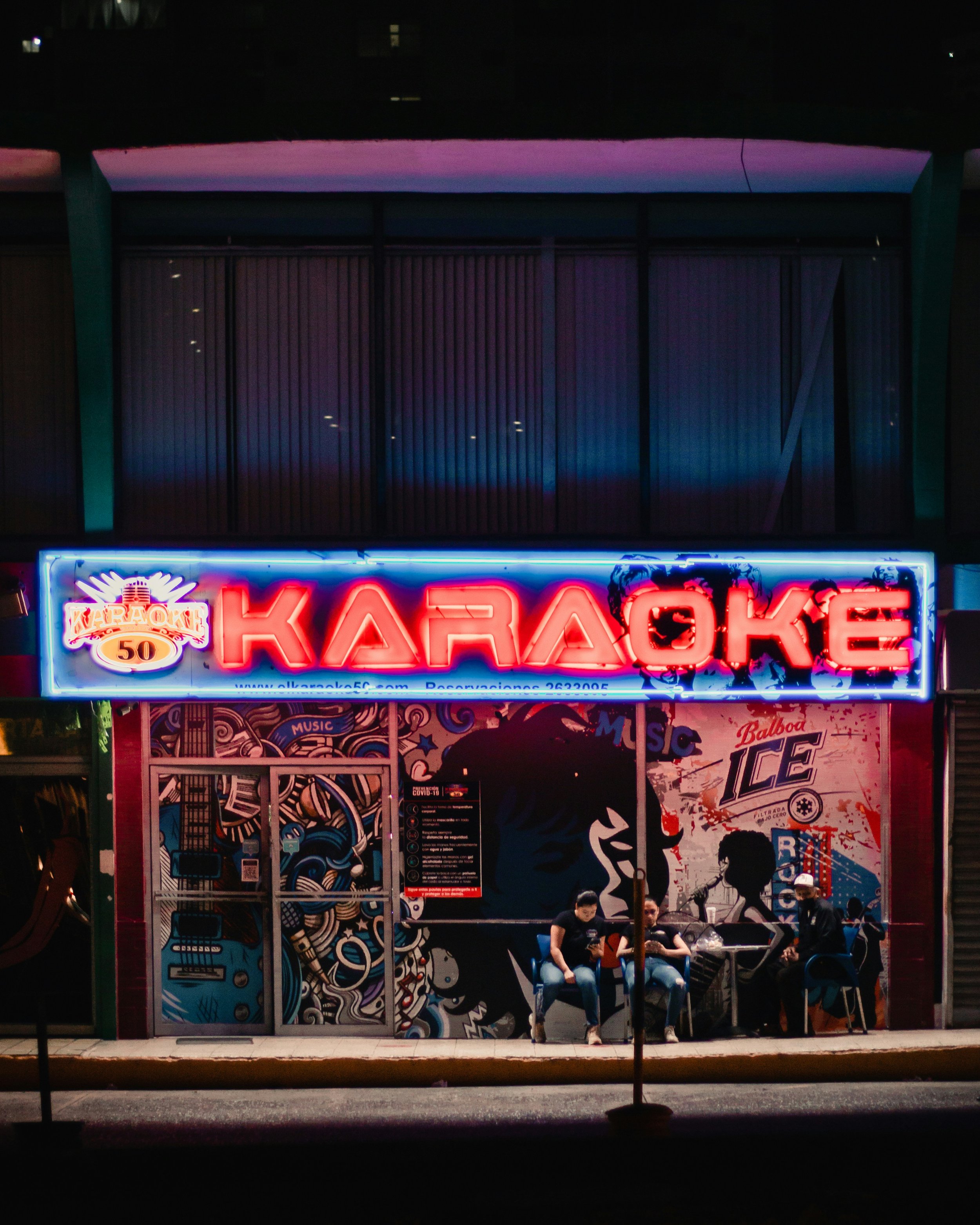
Korea's music copyright society distributed nothing at all to arrangers from karaoke rooms, bars and live performance over ten years, a National Assembly audit was told on Wednesday.
Of ₩1.0115tn, about £547m, collected across performance and reproduction between 2016 and 2025, roughly ₩590m (only 0.06%) reached arrangers according to an analysis by MP Lee Jung-moon of data the Korea Music Copyright Association supplied to his office.
In karaoke rooms, drinking establishments and bars over the same decade, lyricists received ₩147bn and composers ₩148.5bn, Lee said. Arrangers received nothing. The society's own distribution rules allot arrangers two twelfths of a work's royalties where all three creators are registered. Lee said that in these media the two twelfths went instead to composers and lyricists, one twelfth each.
Karaoke, bars and live performance sent ₩147bn to lyricists and ₩148.5bn to composers over ten years. The people who built the backing tracks got nothing.
KOMCA's position is that it cannot confirm whether the registered arrangement is the one actually used. Karaoke manufacturers often build their own backing tracks, and live bands play their own versions, so the society has argued it has no basis on which to pay.
Jung Kyung-chun, an arranger who worked on karaoke backing tracks when the machines were introduced, told the committee the manufacturers copied what was in the original recordings. He said he did not understand how the fee could then be withheld.
Lee played the committee the opening bars of a track arranged by Jo Jung-chi, who was present as a witness, and asked what Jo had received when it was played in karaoke rooms. Jo said he had received nothing at all.
Lee said the society resolved in 2013 to cut the arranger share to one twelfth and pay it across all media, then reversed the decision. He described a conflict of interest at the centre of the arrangement, since composers and lyricists, whose income rises as the arranger share falls, hold the board majority.
Lee Si-ha, who became KOMCA chairman this year, told the hearing the method could of course be changed, and said he had opened a task force and public hearings on arranger rights since taking office. He said a new agreement between composers, lyricists and arrangers would be needed.
Culture minister Choi Hwi-young said the ministry had been ordering KOMCA to improve its arranger distribution since 2006, and that progress had been poor. The ministry has issued such orders seven times across twenty years.
The question has been here before. In a 2021 hearing, the office of MP Lee Chae-ik estimated that applying the broadcast and transmission distribution ratio to reproduction and performance would have produced about ₩68bn for arrangers over a decade. The arrangers' association is in litigation with the society over three songs, as a test of the rest.
Lee Jung-moon and the association asked the committee for four things: publication of the documents justifying non-distribution, a calculation of the ten-year arranger share, a plan to move to distribution across all media, and a ministry order changing the society's rules.
Ko Tae-young, an arranger who appeared as a witness, told the committee what the money represents. Arrangers are freelancers with no severance and no state insurance, he said. What they have left is the copyright and the song.
SOURCES (1) (2) (3) (4) (5) (6) (7) (8)RELATED ARTICLES
LATEST

MORE IN:
Human Made's biggest store opened in Harajuku on Saturday with a mobile ordering system designed to keep customers from queuing outside.