

In Japan, your idol's nationality decides whose makeup you buy
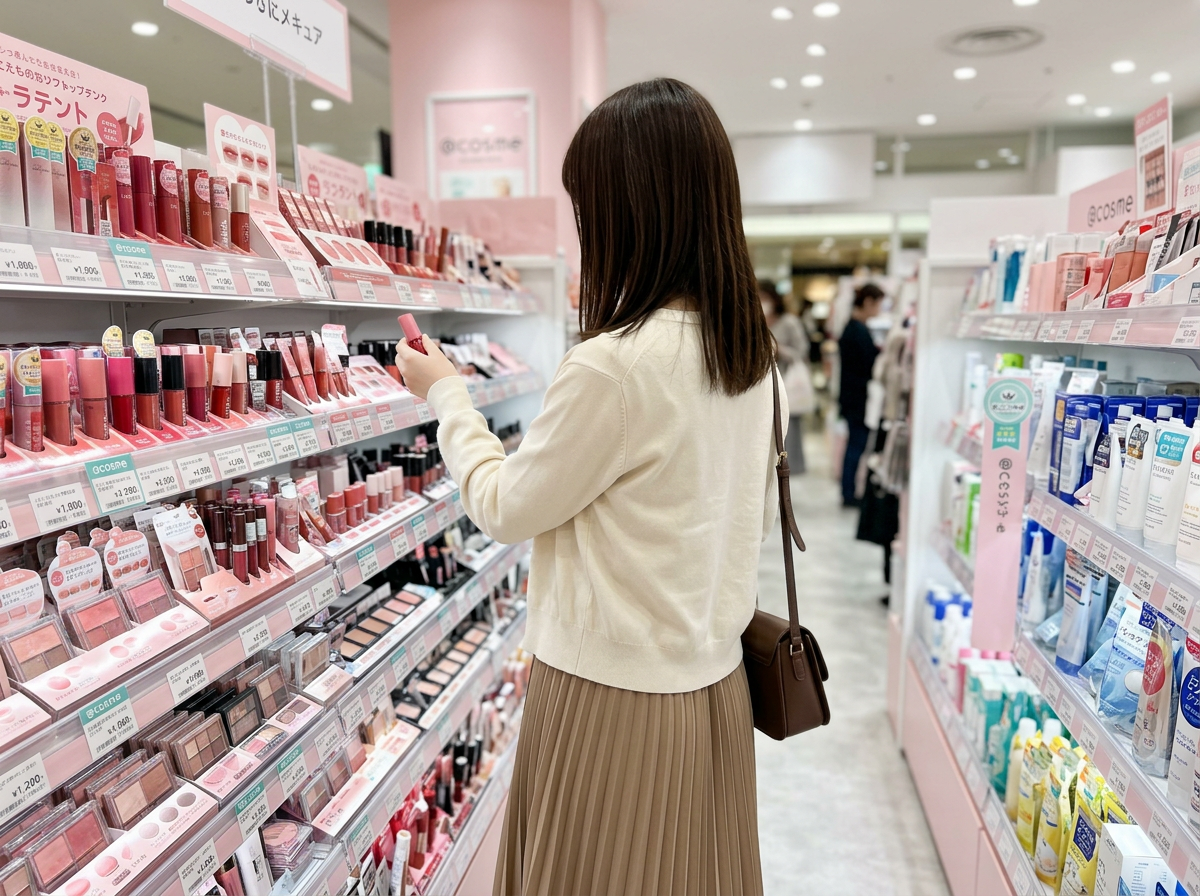
Japan's largest beauty platform named fandom beauty one of six trend keywords for the half-year now underway, publishing the forecast in May alongside its mid-year awards.
The behaviour it describes is large. Oshikatsu Soken, a research unit run by the consultancies CDG and Oshicoco, surveyed 23,125 people in January and put the number of Japanese people actively supporting a performer or character at about 19.4m, up 5.56m in a year, or 24% of the population.
Its estimate of what they spend is the figure everyone quotes and the one to handle carefully. Oshikatsu Soken puts the market at about ¥4.1tn, up from ¥3.5tn. Nomura Research Institute has been reported at around ¥3.8tn, and Yano Research Institute, counting sixteen narrower otaku categories, arrives near ¥1tn.
The spread is not a rounding problem. It is three different definitions of what counts, produced in part by firms that sell fandom marketing services, and the useful number in the survey is a quieter one: average annual spend per person fell, to ¥209,716 from ¥255,035. More people, spending less each. The market is widening, not deepening.
Japan's beauty platforms have named fandom spending a trend. The purchasing data underneath it describes a distribution system, and Korean brands are further inside it than Japanese ones.
What happens inside it is the interesting part.
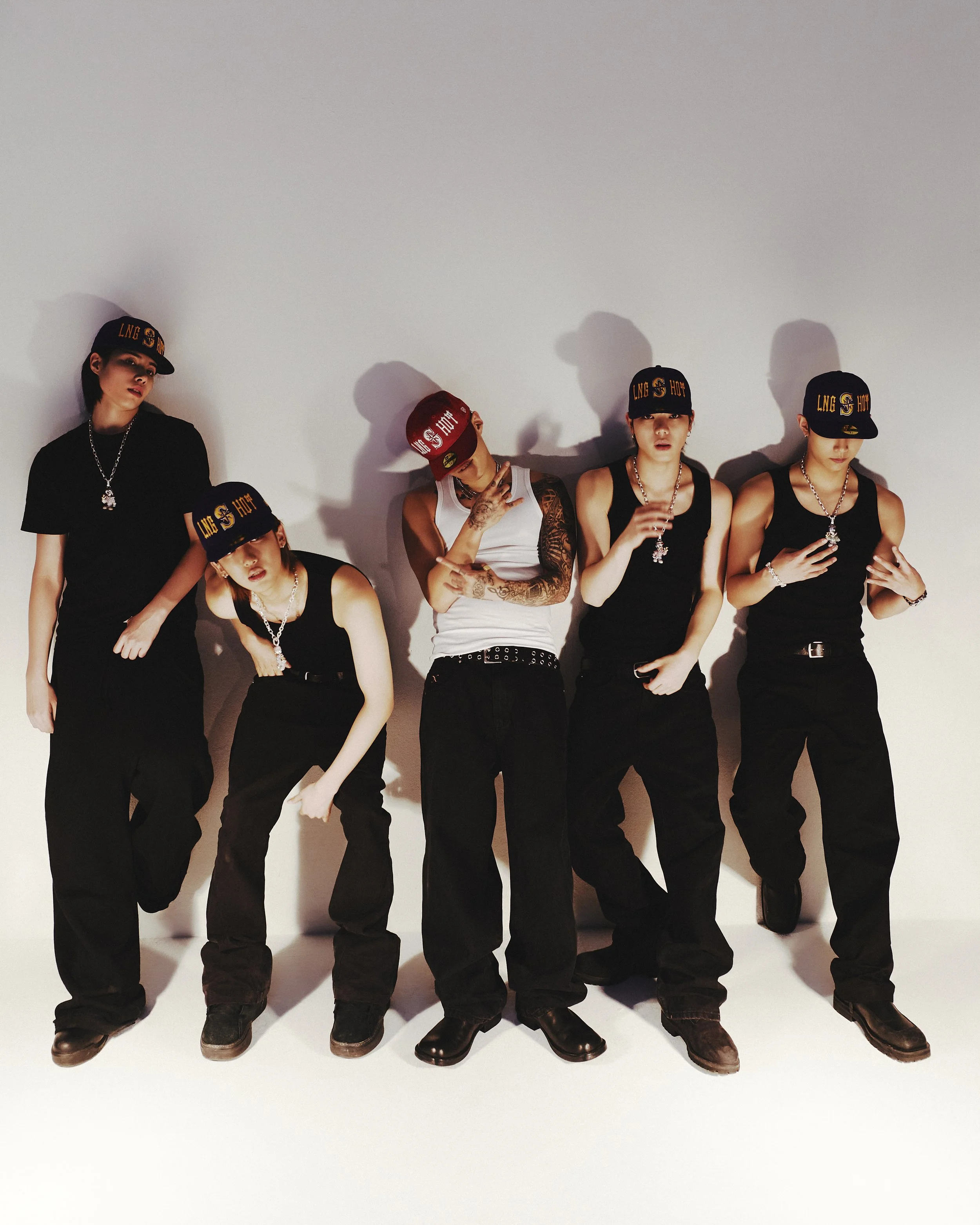
AppBrew, which operates the Japanese review platform LIPS, asked its users in January which performers they support and which cosmetics they use. Idols topped the list, with SnowMan and aespa at the front. Then the split: among fans of K-pop acts, the most-used brands were Korean, led by fwee and by Wonjungyo, the line built around the Korean makeup artist Won Jung Yo. Among fans of Japanese idols, they were Japanese, led by CANMAKE and KATE.
The same survey picked up Korean brands reaching particular fandoms directly. NAMING., a Korean label, ran a collaboration with Precure aimed squarely at the Heisei-girl community.
Export figures show Korean cosmetics gaining ground in Japan and say nothing about how. This says how. Fandom is functioning as a parallel distribution system, sorted by the nationality of the performer at its centre, and the brands that understand it are mostly not Japanese.
Korean companies are now building product for the act of being a fan rather than for the fan's face. Laneige sells a lip tint in Japan in shades named K-POP Pink and Maroon Melody, at ¥2,310. A category Japanese press has started calling charm cosmetics puts lip products in cases designed to clip onto a bag, next to a keyring, with AMUSE at ¥1,320 and BRAYE at ¥2,990. A makeup artist quoted in Biteki described pairing hers with a G-Dragon collaboration keyring.
None of that is an artist endorsement, which is the familiar model and the one Japanese brands also use. It is product shaped around the ritual: what survives a four-hour queue, what photographs under arena lighting, what hangs off a bag so other fans can see it.
@cosme's own staff guide to concert makeup reads like a logistics document. Glitter placed in case your idol makes eye contact. Tint chosen on the basis that there will be no opportunity to reapply. Base built for a seat you will not be assigned until you are inside the venue.
Whether any of this holds in Britain is not currently knowable. No UK retailer or research house has published purchasing data segmented by fandom, and the British coverage of K-beauty's rise describes discovery through social media and K-drama rather than through music.
One signal exists. PURESEOUL, which operates stores across Britain, hosted what it called the first UK fan meeting for the Korean beauty influencer Eunice Cho at its Westfield London store, with an in-store takeover, merchandise and activations. That is the fan-meeting format, imported wholesale into beauty retail, and run here by a Korean specialist rather than a British one.
Japan's two largest beauty platforms spent this year measuring who their users support. Nobody in Britain has thought to ask.
SOURCES (1) (2) (3) (4) (5) (6) (7) (8) (9) (10)RELATED ARTICLES
LATEST
MORE IN:
Japanese K-pop fans report Korean cosmetics brands. Fans of Japanese idols report Japanese ones. Fandom is working as a distribution system.