

Two mass retailers just bet on Korean beauty
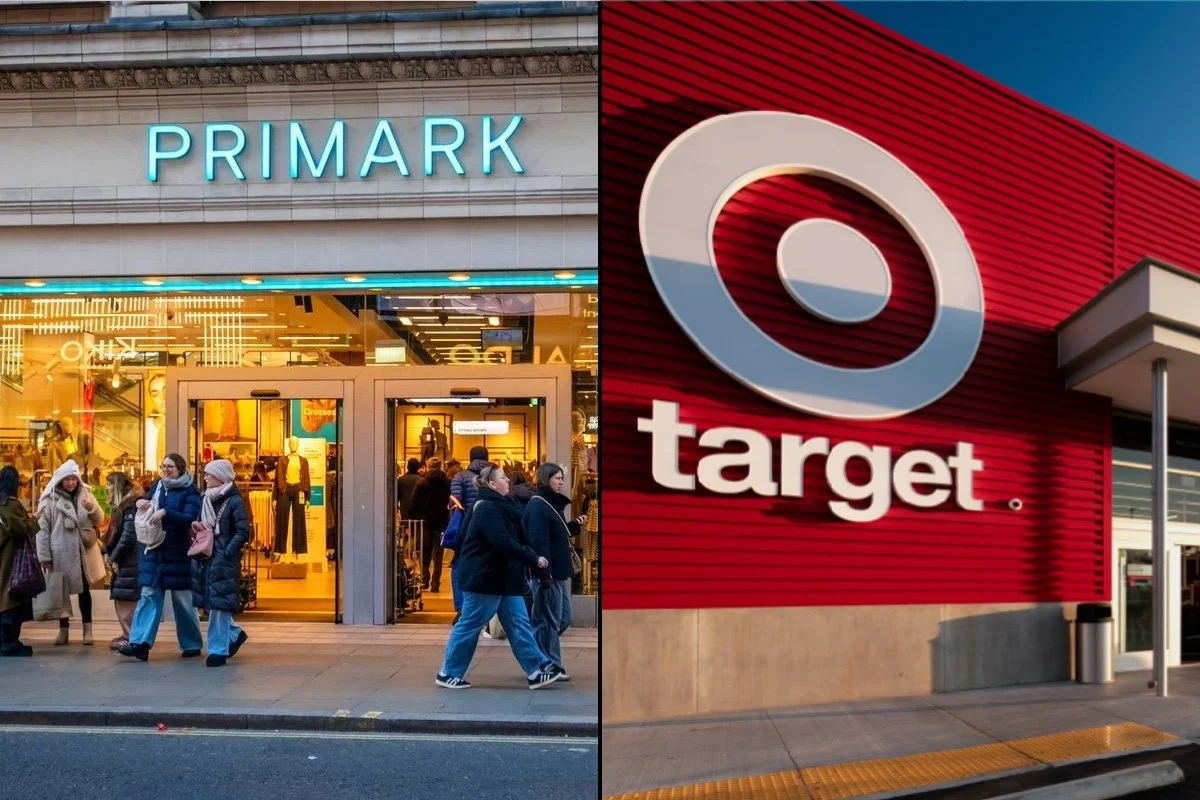
Pureseoul, the British Korean-beauty specialist, launched an exclusive edit of seven Korean sister brands at Primark last week, days before Target opens a 90-brand beauty hall across more than 600 stores in the United States.
Primark was already selling Korean beauty before the deal. Its Korean skincare category lists 43 products, every one of them under the retailer's own private label, and the most expensive costs £5.
Twelve of those 43 are priced at £1. The cheapest, a rose extract sheet mask, is 75p.
That is what the phrase has come to mean at the bottom of the market: an ingredient vocabulary and a texture, sold at a price point, with no Korean company involved beyond the factory. The Pureseoul deal is the first time actual Korean brand owners get shelf space in Primark, and even then they arrive under names invented for the purpose.
The seven are Dermablock by Cell Fusion C, The Essential by Ariul, First Edition by Sungboon Editor, CERABASE by Realbarrier, Dropbe by The Saem, Dear Thing by Milktouch, and The Saem itself. Pureseoul said the collections are owned by or connected to their parent companies and developed to Primark's pricing benchmarks.
The company was explicit that they are not dupes. "In Korea, many of our brand partners are creating 'mini' or 'sister' brands to meet the growing demand for more accessible K-Beauty, and we saw an opportunity to curate this for the UK," Leslie Tang, chief executive of Pureseoul, said in a statement.
Primark's new Pureseoul edit brings seven Korean companies to the high street through diffusion labels. Target opens tomorrow with the real names.
The technology transfer is real in at least one case. CERABASE uses the patented multilamellar emulsion system found in Realbarrier's established lines, developed by the pharmaceutical company Neopharm.
Target is taking a different route. Its Beauty Studio format opens on Thursday with more than 1,600 products, and Seoul Economic Daily reported that twelve Korean brands are joining, among them Amuse, Rom&nd, Purito Seoul, Kaja, Dr.Melaxin and Sungboon Editor, trading under the names they use in Seoul.
Sungboon Editor appears on both sides of the Atlantic in the same fortnight, as itself in American stores and as First Edition in British ones. Its parent brand's green tomato line has sold more than 6.5 million bottles in Korea, according to TheIndustry.beauty.
Own-label is how any category enters value retail, Primark's private label products are manufactured in Korea, and a diffusion line built on a parent company's formulation science is a more honest object than an imitation of it.
But the direction of travel is the point. Britain's route into mass K-beauty runs through specialist middlemen rather than the Korean companies themselves. Pureseoul has been importing since 2019 and now supplies Superdrug, which extended its International Beauty range to 64 UK stores in July. Skin Cupid took roughly 20 brands into John Lewis and runs shop-in-shops in Cambridge, Kingston and Leeds.
Those two firms hold the shelf relationships that Korean companies hold directly in the United States. It is a structural difference, and it determines which version of the category a British shopper meets first.
The overlap is getting tight enough to be visible on the ground. Pureseoul opened a store in Edinburgh's St James Quarter in August; Skin Cupid parked its roadshow kiosk in the same shopping centre at the weekend.
Primark's own-label range includes a pack of PDRN gel toner pads at £2.50. The same ingredient, in a Medicube serum at Boots, costs £17.90.
SOURCES (1) (2) (3) (4) (5) (6) (7) (8)RELATED ARTICLES
LATEST

MORE IN:
Pureseoul has brought seven Korean sister brands to Primark, where 43 own-label K-beauty products already sell for under £5. Target opens with the real names.