

Tokyo's fashion week could not find a next generation
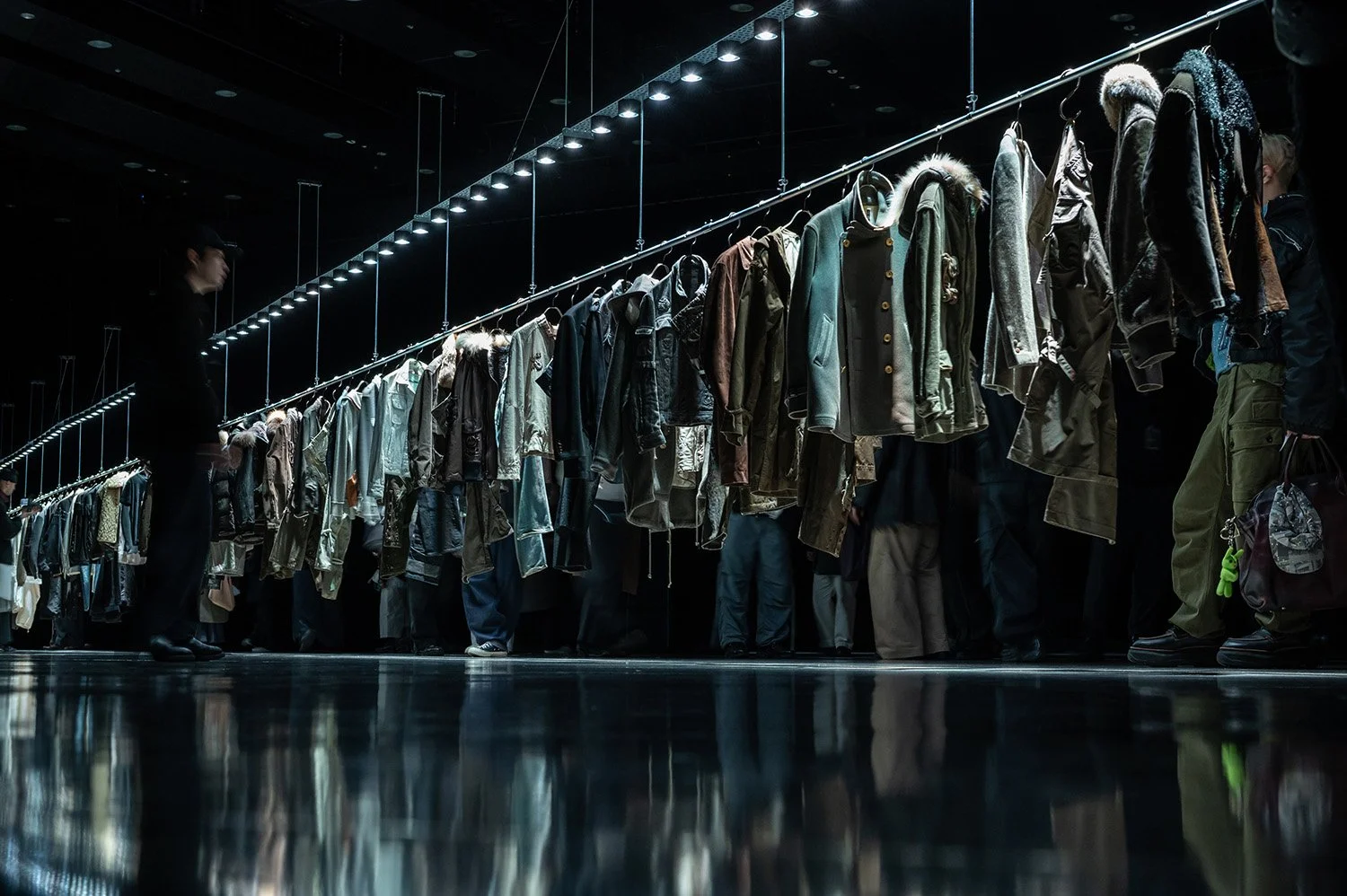
The Japan Fashion Week Organization declined to name a winner of its main award for emerging designers this year, leaving an opening-day slot at Tokyo's fashion week empty when the season began on Monday.
Under the 2026 edition of the programme, the organisation said the award carried ¥1.5m (about £8,000) a season, waived venue and participation registration fees, and included business meetings arranged with its overseas buyers. The 2027 guidelines carried the same fee waivers across both 2027 shows.
In an announcement published on 28 July, the organisation said the shortlisted designers were not yet ready to be selected as a Next Brand or to stage a show, and listed three reasons: originality, quality of make, and financial strength, including the budget to hold shows on a continuing basis.
The Japan Fashion Week Organization gave no Grand Prix this year. Its own explanation names sewing.
The award exists to buy a young designer a runway they cannot otherwise afford. Withholding it from everyone on the shortlist is the organisation saying, in its own English, that nobody it looked at could have sustained one.
That reading is supported by the schedule around it. Rakuten Fashion Week Tokyo is showing 28 collections this season, 25 official designer shows, four of them first-time participants, and three partnership shows. In March it showed 33, of which 30 were official designer shows.
The empty slot has a time and a place. The 2027 application guidelines set the winner's show for the afternoon of 31 August at Shibuya Hikarie Hall A, the main venue's larger room and the opening day of the week.
Last September that slot went to mukcyen, founded by Yuka Kimura, which opened the 2026 spring-summer season as the previous year's Grand Prix winner. That week was the organisation's twentieth anniversary.
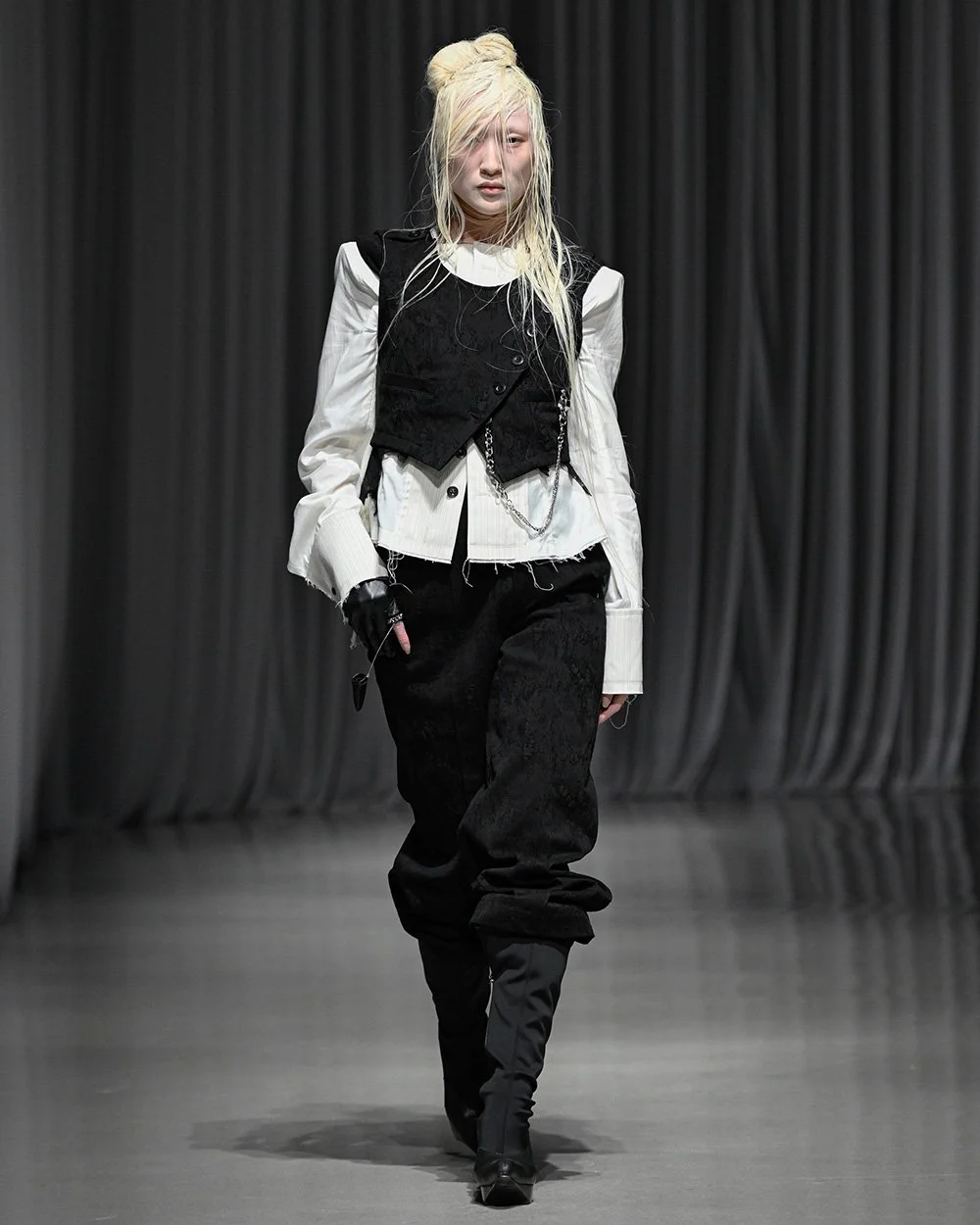
There is a straightforward defence of the decision, and it is not a weak one. A jury that awards a prize to the best of a thin field devalues the prize, and the organisation has spent this season pushing outward rather than inward. Three partnership shows carry nine overseas participants, the Taiwanese label C Jean is presenting in Tokyo for the first time, and Tranoï Tokyo returns for a fifth edition on 9 and 10 September alongside a first Denim Première Vision Tokyo edition.
A fashion week can widen its international traffic while its domestic pipeline narrows. Those are separate problems, and Tokyo is working on the first one.
The difficulty is that financial strength is the organisation's own criterion, and the support package exists precisely because young Japanese brands cannot fund a Hikarie show. A shortlist that fails a bar the money was designed to lower is a statement about the field, not about the jury.
Among the things the organisation said its finalists should work on over the next year or two, alongside originality and money, was "improving quality including sewing".
SOURCES (1)RELATED ARTICLES

LATEST
MORE IN:
The Japan Fashion Week Organization declined to name a winner of its main award for emerging designers this year, leaving an opening-day slot at Tokyo's fashion week empty when the season began on Monday.